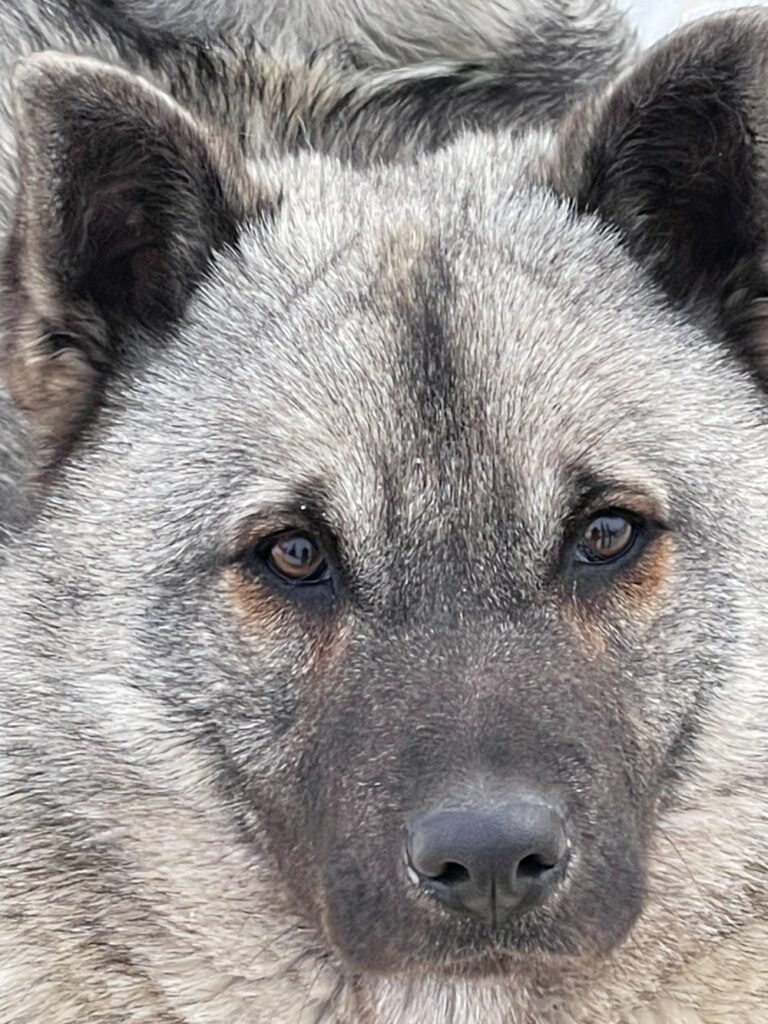
How the Regions of Northern Sweden Shape the Dogs
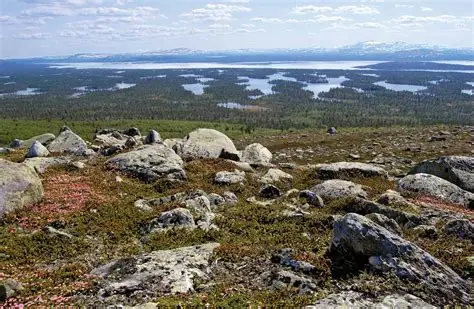
1. The Fjäll Mountain Spine — Western Norrland
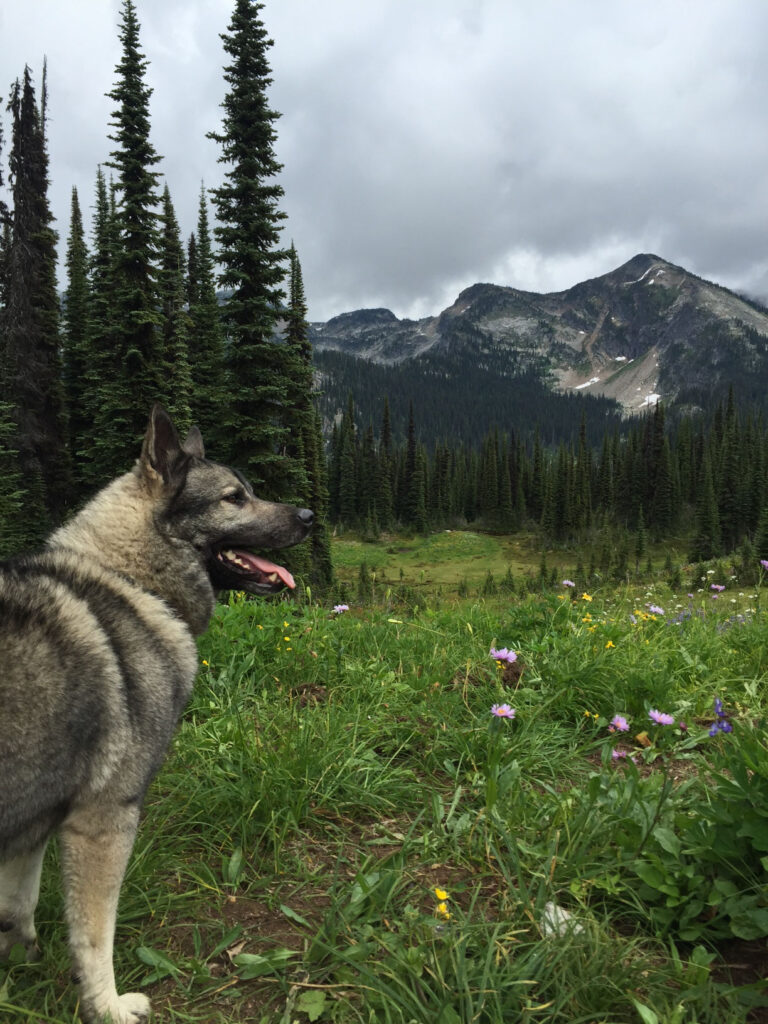
Region: Härjedalen, Jämtland high fjäll, border mountains toward Norway
Terrain:
- alpine tundra
- glacial rock fields
- steep ridges
- open highland plateaus
- extreme winter exposure
How this terrain shapes the dog:
- long stride mechanics for covering open ground
- deep lung capacity for altitude and cold
- independence for long-range game holding
- strong weather resilience
- tall, rangy frame with endurance emphasis
Corresponding Photo:
(Mountain tundra, glacial rock, open ridgelines — the exact fjäll terrain where the tall dogs originated.)
2. The Great Northern Forest Belt — Central Norrland
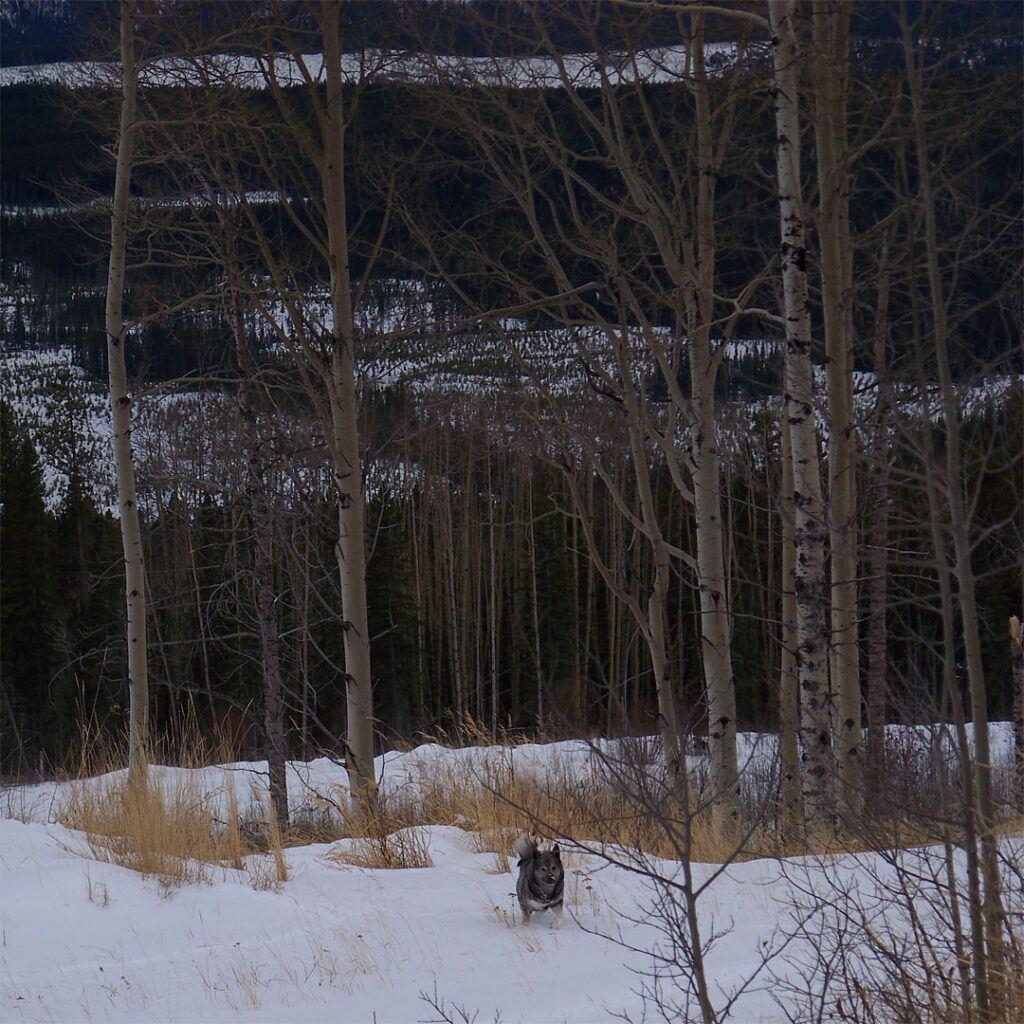
Region: Jämtland interior, Västerbotten interior, southern Norrbotten forest
Terrain:
- dense spruce and pine forest
- deep moss and muskeg
- low visibility hunting cover
- rolling highlands
- heavy snowpack
How this terrain shapes the dog:
- exceptional scenting ability
- independent tracking and baying
- compact power for maneuvering in thick forest
- mental steadiness and problem-solving
- endurance over long forest distances
Corresponding Photo:
(Deep spruce forest, river stones, thick cover — the classic moose‑dog terrain.)
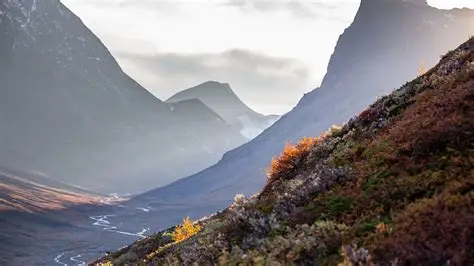
3. The River Corridor Systems — Ångermanälven, Indalsälven, Luleälven
Region: Central and eastern Norrland river valleys
Terrain:
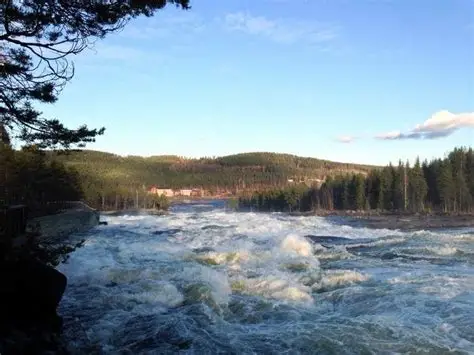
- steep riverbanks
- mixed forest
- floodplain meadows
- rocky watercourses
- long travel corridors
How this terrain shapes the dog:
- multi-purpose versatility (tracking, guarding, hauling, camp work)
- strong navigation instincts
- balanced frame — neither too tall nor too compact
- social intelligence for camp and family life
- ability to work mixed terrain: slope, forest, water
Corresponding Photo:
(River corridor with forested slopes — the travel routes that shaped the balanced dogs.)
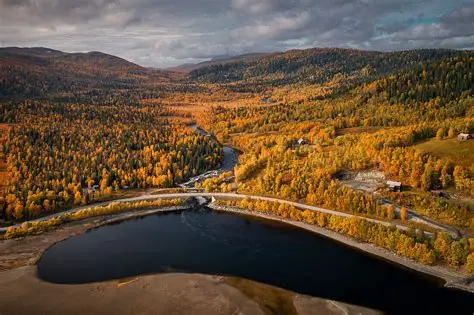
4. The Golden Ring Region — The Apex Working Zone
Region: Jämtland–Härjedalen–Västerbotten interior
Terrain:
- rolling forest highlands
- transitional slopes between fjäll and forest
- mixed spruce–pine–birch
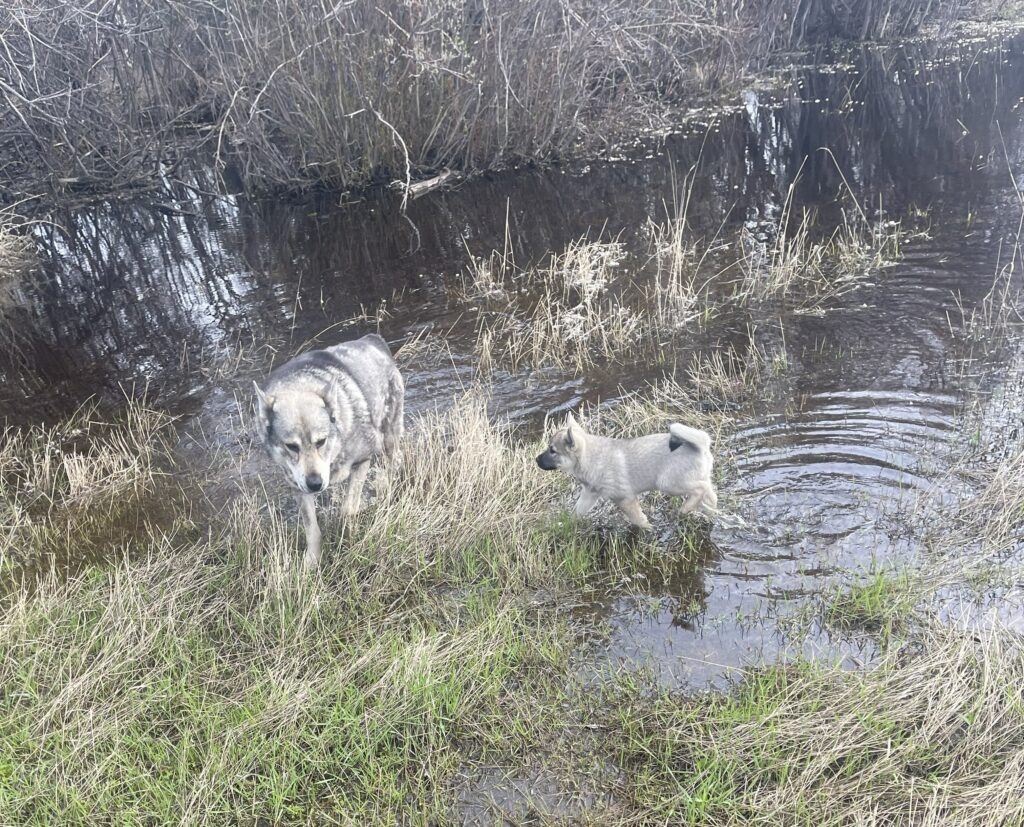
- wetland pockets
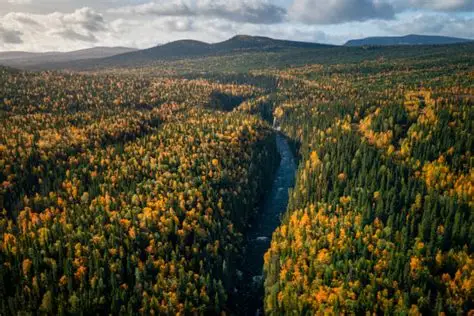
- long river valleys
- deep winter conditions
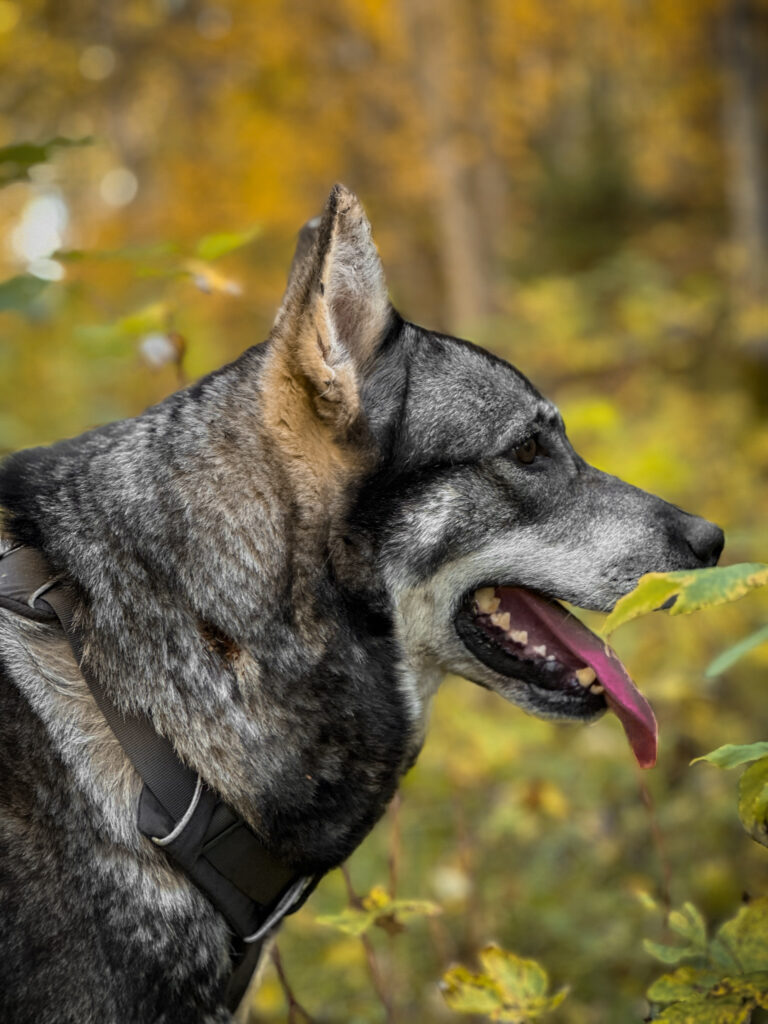
How this terrain shapes the dog:
- the most balanced architecture of all
- endurance + power + scenting + independence
- strong cold-weather resilience
- steady, intelligent baying
- long-range movement with return-to-camp instinct
Corresponding Photo:
(Mixed forest–water system with autumn colors — the core Golden Ring terrain.)
5. The Coastal Lowlands — Eastern Norrland
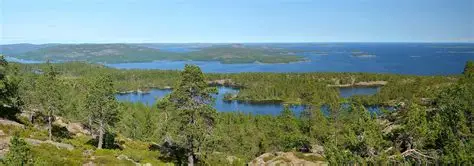
Region: Västernorrland coast, Gulf of Bothnia fringe
Terrain:
- flatter ground
- agricultural pockets
- coastal forest
- milder winters
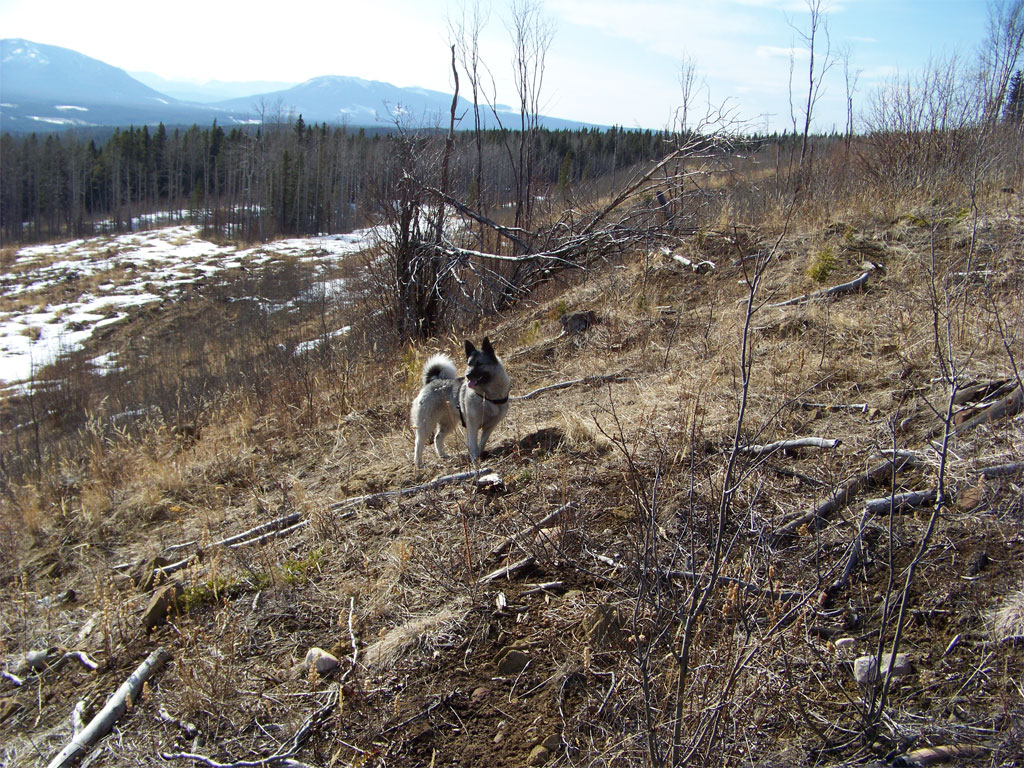
How this terrain shapes the dog:
- general-purpose working dogs
- less specialization
- more village and farm roles
- not the primary source of the Elkhound-type architecture
Corresponding Photo:
(Coastal forest and water — representative of the lowland zone.)
Summary
Northern Sweden creates a topographic gradient, and each band of terrain produces a distinct working dog expression:
- Fjäll mountains → tall, long-striding endurance dogs
- Forest interior → scent-driven, independent moose dogs
- River corridors → versatile, balanced camp dogs
- Golden Ring → apex working architecture
- Coastal lowlands → general-purpose dogs
The land shapes the dog — and the dog becomes a reflection of the terrain.